Warning Signs Your Grease Trap Needs Immediate Attention
Strange gurgling sounds from your drains mean trouble. Water backing up in your sinks screams for help. That rotten egg smell isn’t going away on its own.
Pay attention when water drains slower than usual. Notice grease appearing in unexpected places. Your trap is crying out for repair or replacement.
Kitchen staff complaining about persistent odors? Listen to them. They’re your first line of defense against major grease trap failures.
Common Grease Trap Problems You Can Fix
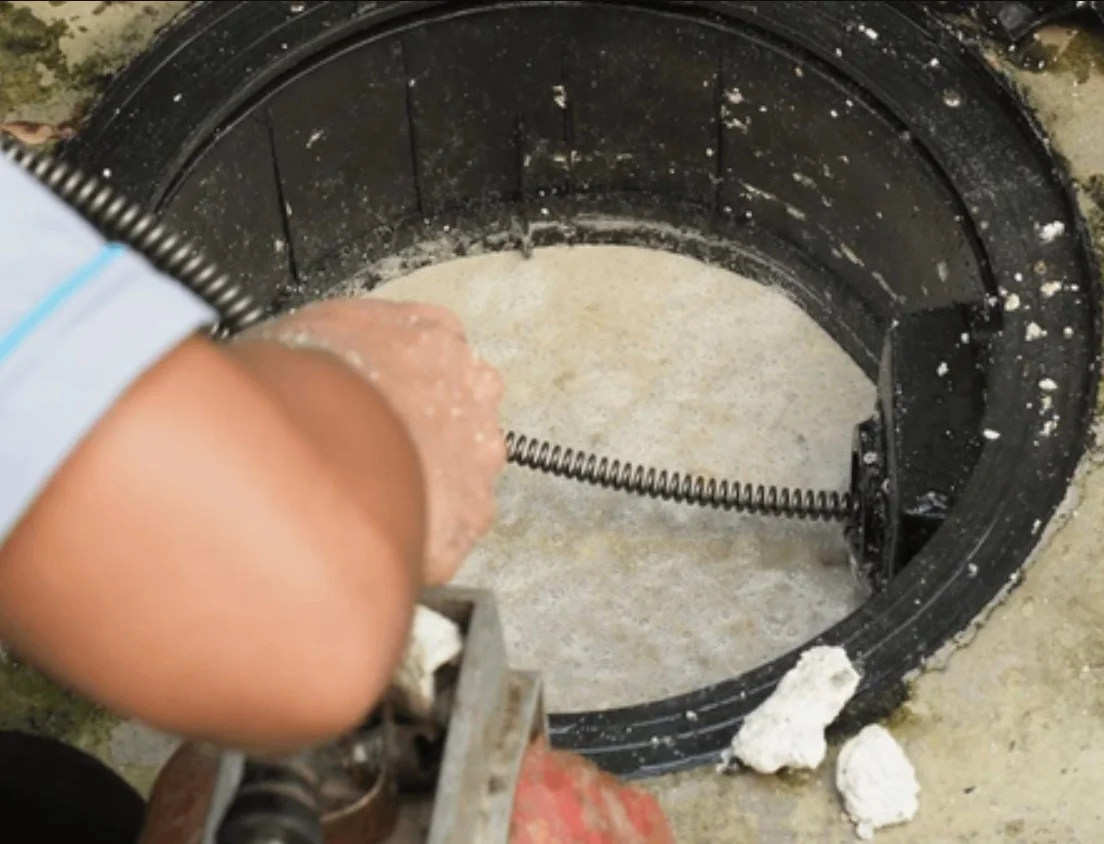
Clogs happen to every grease trap eventually. Most clear up with proper cleaning and maintenance. A professional hydro-jetting service blasts away years of buildup in minutes.
Loose baffles create inefficiency but don’t always require full replacement. A skilled technician can often reattach or replace individual baffles. This simple repair extends your trap’s life by years.
Damaged inlet and outlet pipes cause leaks and odors. Replacing these components costs a fraction of full trap replacement. Quick action prevents water damage to your floors and walls.
Corroded lids let sewer gases escape into your kitchen. New gaskets and lid replacements solve this problem fast. Your staff will thank you when the smell disappears.
When Repair Isn’t Enough: Replacement Signs
Metal grease traps last 5-15 years with proper care. Concrete traps can survive 20-30 years. But nothing lasts forever.
Visible rust or corrosion throughout the trap body means replacement time. Small patches might be repairable. Widespread damage isn’t worth the risk.
Multiple crack repairs that keep failing tell you something important. Your trap has reached the end of its useful life. Continuing to patch it wastes money and invites disaster.
Your Next Steps
Inspect your grease trap today. Look for obvious damage or excessive buildup. Schedule professional inspection if anything seems wrong.
Create a maintenance schedule and stick to it. Regular care prevents most problems. Consistent maintenance extends trap life significantly. Having trusted professionals on speed dial saves precious time during crises.
Your grease trap works hard protecting your business. Return the favor with proper care and timely repairs. Your kitchen, customers, and bank account will thank you.
Size matters enormously. If your kitchen has expanded since trap installation, your current unit probably can’t handle the increased grease load. Undersized traps fail faster and violate health codes.
Choose Experience That Matters
We’ve repaired thousands of grease traps. Every type, every brand, every problem imaginable. Our technicians train continuously. They know the latest repair techniques. They understand new regulations before they affect you.