


Grease Trap Interceptor Repair and Replacement in Claremont


Grease Trap Repair and Replacement: Save Your Kitchen from Disaster

Expert repair and replacement for grease traps and grease interceptors in Claremont and its surrounding areas.

Your grease trap in Claremont is failing, and you need answers fast. Whether you’re dealing with foul odors, slow drainage, or complete backups, understanding when to repair vs replace your grease trap can save you thousands of dollars and prevent health code violations that could shut down your kitchen.

Why Your Claremont Grease Trap Matters More Than You Think

That metal box beneath your sink serves a critical function in your commercial kitchen’s plumbing infrastructure. It acts as the first line of defense against grease accumulation. Every time cooking oil and fat enter your drain system, they cool and solidify, creating stubborn clogs that lead to expensive repairs and downtime. Your grease trap intercepts this buildup before it reaches your main sewer line.

A grease trap failure creates serious consequences for your business. Without proper function, you risk raw sewage backing up into your kitchen, health code violations, and the loss of customers who encounter unpleasant odors. The financial and reputational damage extends far beyond the initial repair costs.

The typical commercial kitchen generates approximately 150 pounds of grease each month. All of that material flows directly into your grease trap, which is why regular maintenance and timely repairs are essential to keep your operation running smoothly. Claremont

grease trap cleaning pumping

Warning Signs Your Claremont Grease Trap Needs Immediate Attention

Gurgling sounds echoing from your drains, water backing up into sinks, and that unmistakable rotten egg smell are all clear signals that something’s wrong with your grease trap. These warning signs shouldn’t be ignored.

Watch for slower drainage than normal and grease accumulating in places it shouldn’t be. When you notice these issues, your grease trap is signaling that it needs professional attention, whether through repair or replacement.

Your kitchen staff are often the first to notice problems like persistent odors or drainage issues. Their feedback is invaluable because they work in that space every day and can spot trouble before it turns into a costly failure.

Common Grease Trap Problems in Claremont You Can Fix

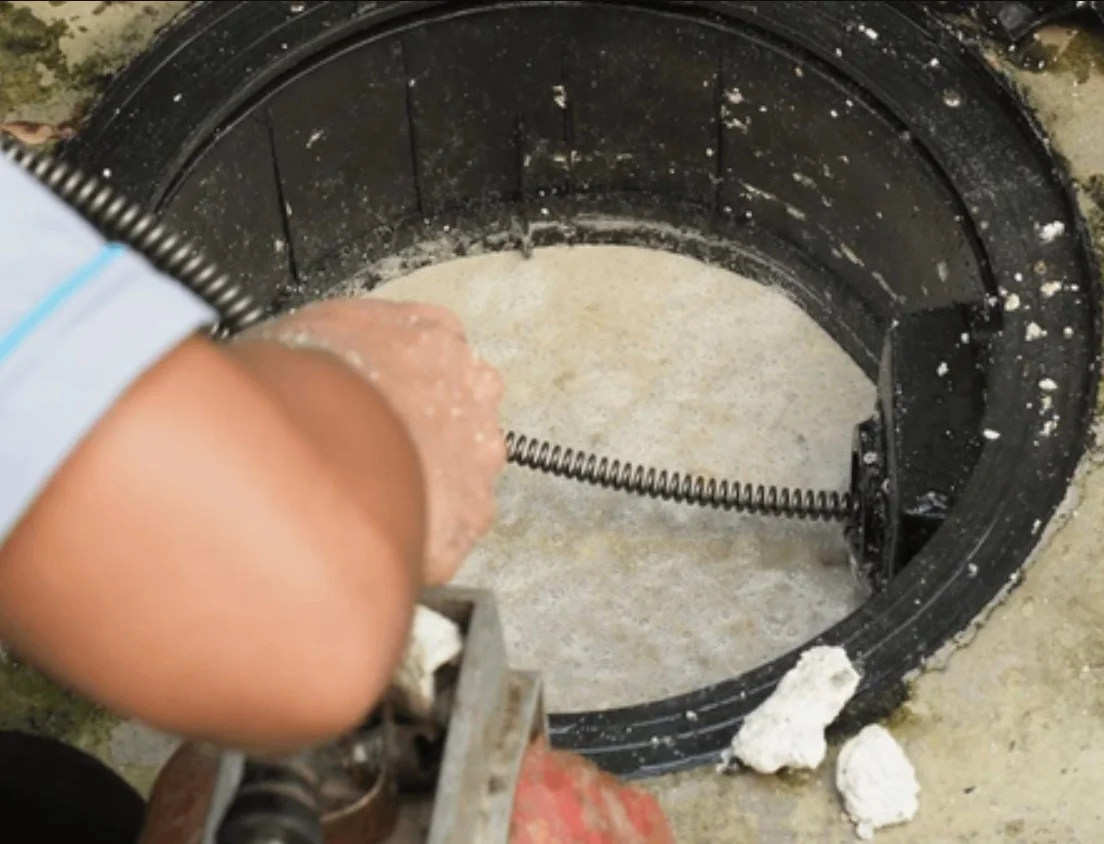
Every grease trap reaches a point where clogs develop. While routine cleaning and maintenance prevent most problems, stubborn buildup sometimes requires more aggressive treatment. Our hydro-jetting service uses high-pressure water jets to clear years of accumulated grease and debris in just minutes, restoring full flow capacity without disrupting your operation.

Baffle problems don’t always mean replacing your entire trap. When baffles loosen or shift, our technicians often repair them by reseating or replacing individual components rather than installing a new system. This targeted approach can add years to your trap’s useful life at a fraction of replacement costs.

Leaking inlet and outlet pipes create two immediate concerns: water damage to surrounding areas and persistent odor issues that affect your kitchen environment. Replacing damaged pipes costs considerably less than a full trap replacement and stops leaks before they compromise your facility’s structural integrity.

Corrosion around trap lids allows sewer gases to seep into your kitchen and dining areas. We address this through gasket replacement or lid installation, eliminating the source of offensive odors quickly. Your staff and customers will notice the immediate improvement in air quality.

When Repair Isn’t Enough: Replacement Signs

A properly maintained metal grease trap typically serves your restaurant or commercial kitchen for five to fifteen years, while concrete units can last considerably longer—often twenty to thirty years or more. However, like any piece of equipment, these systems eventually reach the point where replacement becomes the smarter choice.

When rust or corrosion spreads across the trap body, we recommend moving toward replacement. Isolated patches sometimes respond well to targeted repair, but extensive corrosion throughout the unit signals deeper structural problems that repair alone cannot solve.

The same principle applies to cracks. If your grease trap requires multiple repair attempts that continue to fail, the underlying issue has progressed beyond what patching can address. At that stage, investing in repair work becomes a temporary fix that drains your budget without solving the real problem. A new trap protects your operation from unexpected failures and keeps your drainage system running reliably.

Your Next Steps

Start by examining your grease trap for visible signs of deterioration or significant grease accumulation. If you notice anything concerning, we recommend scheduling a professional inspection right away.

Establish a consistent maintenance routine and commit to it. Regular upkeep prevents the majority of complications before they become expensive problems. When you stay on top of maintenance, your grease trap lasts substantially longer. Having a reliable service partner ready means you can respond quickly if an emergency arises.

Your grease trap is essential infrastructure for your business. Investing in proper maintenance and timely repairs protects your operation, your reputation, and your bottom line. When your system runs smoothly, so does your kitchen.

One factor often overlooked during trap selection is capacity. If your kitchen has grown since your trap was installed, your current unit may struggle with the increased grease volume. Undersized traps deteriorate faster and create compliance issues with health and safety regulations. We can evaluate your current system and recommend the right size for your operation.

Choose Experience That Matters

Grease Cleaning Pros repaired thousands of grease traps and grease interceptors in Claremont. Every type, every brand, every problem imaginable. Our Claremont technicians train continuously. They know the latest repair techniques. They understand new regulations before they affect you.
GREASE FAQ:

Why should I care about proper used cooking oil disposal for my restaurant?
Your used cooking oil is actually liquid gold that shouldn’t go down the drain! When you partner with a professional collection service, you’re preventing costly plumbing disasters that can shut down your kitchen for days. Plus, that old oil gets recycled into biodiesel, helping the environment while putting money back in your pocket. Most restaurants don’t realize they can earn rebates from their used oil. It’s a win-win situation that keeps your business running smoothly and your conscience clear.
How often do grease traps need professional cleaning?
Most restaurants need grease trap cleaning every 30 to 90 days, depending on your kitchen’s volume. High-volume kitchens pumping out fried foods daily might need monthly service. Smaller cafes might stretch it to quarterly. Here’s the thing – waiting too long is a recipe for disaster. When grease traps hit 25% capacity, they stop working properly. Suddenly, you’re dealing with backed-up sinks, foul odors, and potentially hefty fines from health inspectors.
What’s the difference between a grease trap and a grease interceptor?
Think of grease traps as the compact warriors under your sink, typically holding 20-50 gallons. Grease interceptors are the heavy-duty champions installed underground outside, holding 500-5000 gallons. Your small coffee shop probably needs just a trap. But if you’re running a busy steakhouse or hotel kitchen, you’ll need an interceptor. The size depends on your daily grease output and local regulations. Both do the same job – catching fats, oils, and grease before they wreak havoc on the sewer system.
Can I just pour hot water down the drain instead of hydro jetting?
Hot water might seem like a quick fix, but it’s like putting a bandage on a broken pipe. Sure, it melts grease temporarily. But that grease just moves further down your pipes and hardens again. Now you’ve got a bigger problem in a harder-to-reach spot. Hydro jetting blasts away years of buildup with 4000 PSI of pure cleaning power. It scours pipe walls clean, removes tree roots, and eliminates grease completely. Your pipes end up like new without any harsh chemicals.
How do I know if my drains need hydro jet cleaning?
Listen to your drains – they’re trying to tell you something! Slow drainage is your first warning sign. Multiple drains backing up simultaneously means trouble’s brewing in your main line. That gurgling sound from your toilet when you run the dishwasher? Bad news. Recurring clogs that keep coming back after snaking? You need hydro jetting. Don’t forget about those mystery odors wafting from your drains. These signs mean buildup has narrowed your pipes significantly.
What happens to collected cooking oil after pickup?
Your old fryer oil starts an amazing second life! Professional collectors filter and process it into biodiesel fuel that powers trucks, boats, and heating systems. Some becomes animal feed supplements. Others transform into soaps and cosmetics. This recycling process reduces greenhouse gases by up to 85% compared to petroleum diesel. Every gallon you recycle prevents contamination of roughly one million gallons of water. You’re literally helping save the planet one fryer at a time.
Will grease trap cleaning disrupt my restaurant operations?
Professional cleaning typically takes 30-60 minutes and can happen during off-hours. Most services work around your schedule. Early morning before prep or late evening after closing works perfectly. The best companies use quiet vacuum trucks that won’t disturb neighboring businesses. They handle everything – pumping, cleaning, deodorizing, and proper waste disposal. You won’t even know they were there except for the fresh-running drains and inspection-ready documentation.
What are the signs of grease interceptor failure?
Your nose knows first – sewage odors near your interceptor location spell trouble. Water pooling above the interceptor means it’s overflowing. Slow drains throughout your facility indicate the interceptor can’t handle the flow anymore. You might notice grease floating in the interceptor’s outlet side. Kitchen floors staying greasy despite regular cleaning suggests backup issues. These problems escalate quickly. One day everything seems fine. The next, you’re closed for emergency repairs costing thousands.
Is professional maintenance really necessary if I’m careful about what goes down my drains?
Even the most careful kitchen can’t prevent all grease from entering drains. Dishwater contains dissolved fats you can’t see. Steam from cooking carries grease particles that condense in pipes. Your staff might accidentally pour something down the drain during a busy rush. Professional maintenance is your insurance policy against the inevitable. Regular service catches small issues before they become emergencies. Think about it – would you skip oil changes for your car just because you drive carefully?
GET A QUOTE
Call Us