Warning Signs Your La Mirada Grease Trap Needs Immediate Attention
Your drain is trying to tell you something. Gurgling sounds, sluggish water flow, and that unmistakable rotten egg odor all point to the same problem – your grease trap needs attention now, not later.
The warning signs stack up fast. When you notice grease surfacing in unexpected spots or water taking longer to clear your sinks, your trap has crossed from maintenance territory into repair or replacement range.
Your kitchen team knows what’s happening before anything shows up on an inspection report. If staff are complaining about persistent smells, they’re seeing the early stages of what becomes an expensive failure. Those observations matter. They’re your early warning system that intervention can’t wait.
Common Grease Trap Problems in La Mirada You Can Fix
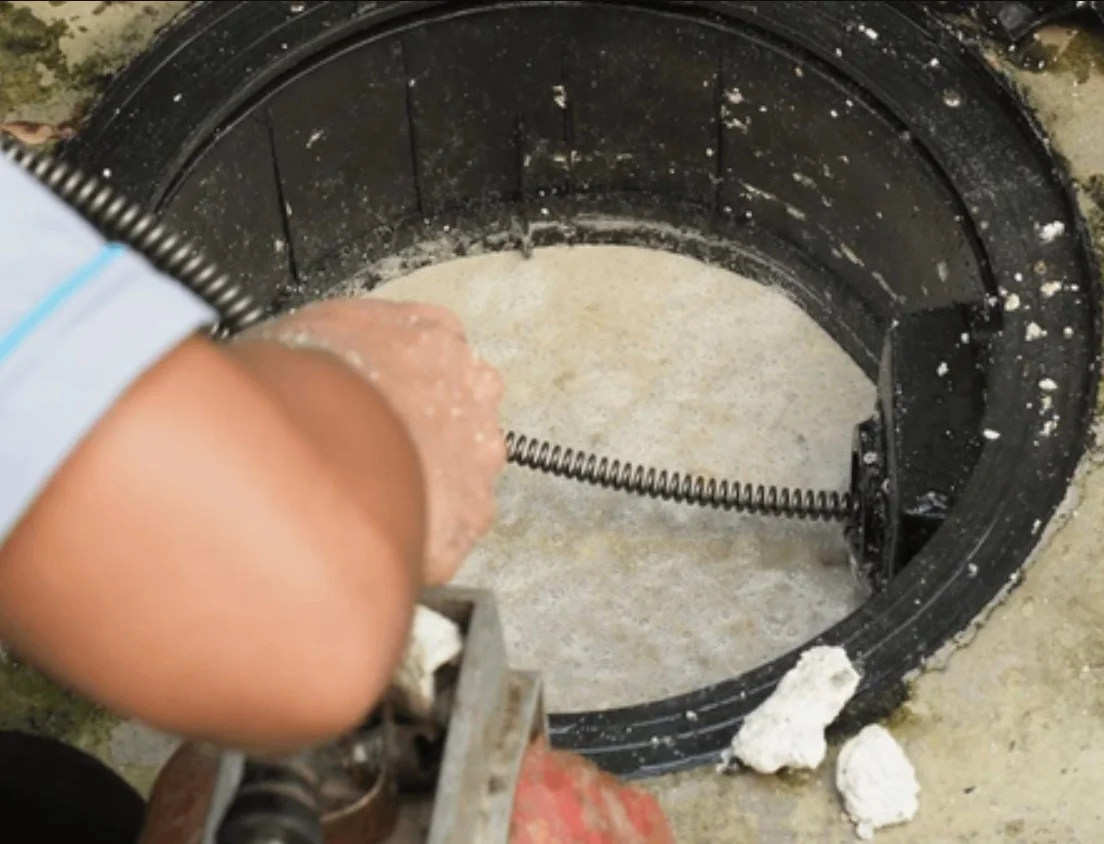
Grease trap blockages develop over time, and most respond well to hydro-jetting. We use high-pressure water jets to strip away years of accumulated grease and debris in a single service visit, restoring flow without tearing into your system.
Baffles that shift or loosen reduce trap efficiency but rarely demand a full replacement. Our technicians can often reseat or swap individual baffles, a targeted fix that buys your system another several years of reliable operation.
Leaks and odors typically trace back to deteriorated inlet or outlet pipes. Replacing these sections costs considerably less than replacing the entire trap and stops water damage from spreading beneath your floor.
A corroded or failing lid lets sewer gases seep into your kitchen and dining areas. New gaskets and lid assemblies eliminate that problem quickly. The difference in air quality is something your staff notices immediately.
When Repair Isn’t Enough: Replacement Signs
Your grease trap has a finite lifespan. Metal units typically hold up for 5-15 years under regular maintenance, while concrete versions can reach 20-30 years. That timeline assumes proper care and timely pumping – skip either and you’ll hit trouble faster.
Rust spreading across the trap body signals replacement time. Surface corrosion in isolated spots might be salvageable with repair work. Once deterioration becomes widespread, patching becomes a liability rather than a solution. The risk of a collapse or contamination leak outweighs the cost of replacement.
Repeat failures on the same cracks tell you the trap is finished. If you’re patching the same spot multiple times in consecutive years, you’re throwing money at a dying system. At that point, a new installation costs less than the accumulated repair bills and buys you reliability your business actually needs.
Your Next Steps
Start with a visual inspection of your grease trap. Look for cracks, corrosion, or signs of overflow. If something catches your eye, don’t wait – call a professional to assess the damage before it becomes catastrophic.
Build a maintenance routine and actually follow it. Most grease trap failures stem from neglect, not defects. Regular service keeps your system functioning longer and prevents the kind of emergency calls that disrupt your operation.
Your grease trap exists to protect your business from costly plumbing disasters and health code violations. Treat it accordingly – minor maintenance costs far less than emergency repairs or replacement.
Capacity matters more than most restaurant owners realize. If your kitchen has grown since your trap was installed, your current unit likely can’t handle the volume. An undersized trap clogs faster, fails sooner, and puts you in violation with local health departments. Upsizing during a routine repair beats replacing a failed system under emergency conditions.
Choose Experience That Matters
Grease Cleaning Pros repaired thousands of grease traps and grease interceptors in La Mirada. Every type, every brand, every problem imaginable. Our La Mirada technicians train continuously. They know the latest repair techniques. They understand new regulations before they affect you.