Warning Signs Your Lynwood Grease Trap Needs Immediate Attention
Your grease trap is trying to tell you something when you hear gurgling from the drains or notice water backing up into your sinks. That sulfur smell lingering in your kitchen isn’t going away without action.
Slowing drainage and grease deposits are early warning signs your trap needs attention. The difference between a simple repair and a costly replacement often comes down to catching these signals early.
Your kitchen staff usually notices problems first – persistent odors, slow drains, unusual smells during peak service hours. These observations matter. They’re practical intelligence about what’s happening in your system before it becomes an emergency that shuts down your operation.
Common Grease Trap Problems in Lynwood You Can Fix
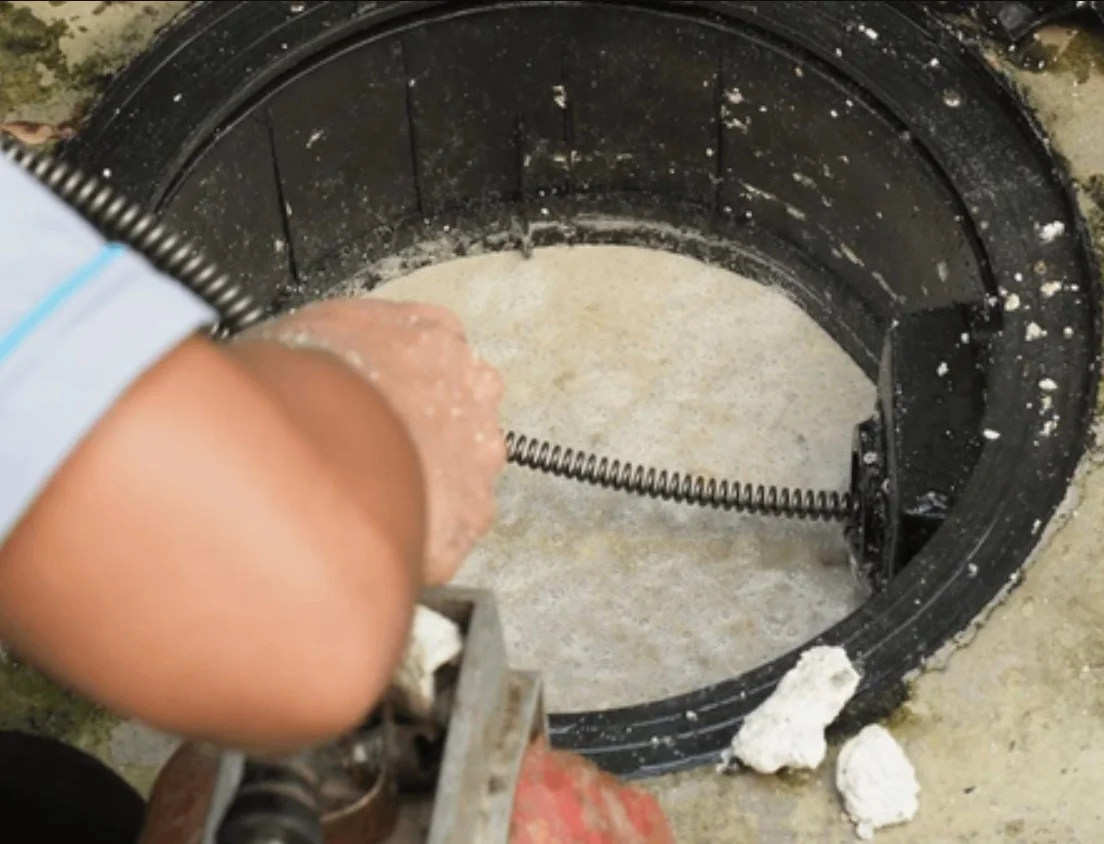
Every grease trap will clog eventually. The good news is that most issues don’t require a full replacement. Hydro-jetting can clear years of accumulated grease in a single service call, restoring flow and preventing backups that shut down your operation.
Baffles wear out and loosen over time, which reduces your trap’s ability to separate solids from liquid. Instead of replacing the entire unit, our technicians can often repair or swap individual baffles. This targeted approach buys you years of additional service life at a fraction of replacement cost.
Leak damage starts small but compounds fast. Cracked inlet and outlet pipes allow grease-laden water to seep into walls and floors, creating structural problems and health hazards. Replacing these components is straightforward and prevents costly restoration work down the line.
A corroded or damaged lid allows sewer gases to rise into your kitchen, creating an unbearable work environment. New gaskets or lid replacement eliminates this issue quickly. Your team will immediately notice the difference when odors disappear.
When Repair Isn’t Enough: Replacement Signs
Metal grease traps typically function well for 5 to 15 years, while concrete models can last 20 to 30 years when maintained properly. Age alone doesn’t determine when replacement becomes necessary, but certain conditions signal the end.
Rust spreading across the trap body or visible corrosion eating through the walls indicates replacement is overdue. Isolated rust spots might respond to targeted repair, but extensive deterioration creates structural risks that repairs can’t justify.
When cracks need repeated patching and fail again within months, your trap has exhausted its capacity to hold up. Continuing to band-aid the problem costs more than replacement would and leaves you vulnerable to leaks, environmental violations, and emergency shutdowns.
Your Next Steps
Start with a visual inspection of your grease trap. Look for cracks, corrosion, or signs of overflow around the unit itself.
The difference between a trap that lasts years and one that fails prematurely often comes down to consistency. Build a maintenance routine and follow it. Regular pumping and cleaning prevent the kind of emergency calls that disrupt service and drain budgets. Having a trusted repair partner available means you’re never caught without options when something breaks.
Your grease trap absorbs the operational stress your kitchen creates every single day. Treating it as essential infrastructure rather than an afterthought protects your operations, keeps health inspectors satisfied, and prevents the expensive downtime that catches restaurants off guard.
Trap capacity matters. Many Lynwood establishments have grown their kitchen operations since their original installation, but their grease traps haven’t grown with them. An undersized unit becomes overwhelmed faster, fails sooner, and puts you at risk for code violations. If your kitchen output has increased, your trap size probably needs reassessing.
Choose Experience That Matters
Grease Cleaning Pros repaired thousands of grease traps and grease interceptors in Lynwood. Every type, every brand, every problem imaginable. Our Lynwood technicians train continuously. They know the latest repair techniques. They understand new regulations before they affect you.