Warning Signs Your Woodland Hills Grease Trap Needs Immediate Attention
Your grease trap is sending signals. Gurgling drains, slow water movement, and that unmistakable sewage smell all point to the same problem – a system that’s reached its limit.
These aren’t minor inconveniences. When grease accumulates faster than your trap can handle, you’re looking at potential backups into your kitchen, costly emergency repairs, and health code violations that can shut you down. Restaurant staff notice first – they’ll complain about odors, sluggish drains, and visible grease buildup. Listen to them. They’re working in the affected space daily and often catch problems before they become disasters.
The difference between a trap that needs repair and one that needs replacement depends on how far things have progressed. Early intervention saves money. A trap with localized damage, a failed baffle, or a cracked line might be salvageable. But if your system is aging, has multiple failure points, or the tank itself is corroded, replacement becomes the smarter investment – you get a fresh system under warranty with years of trouble-free operation ahead.
We handle both scenarios in Woodland Hills, and we won’t oversell you on a replacement you don’t need or let a simple repair turn into a major failure. Our approach is straightforward – inspect thoroughly, diagnose accurately, and recommend what actually fixes the problem.
Common Grease Trap Problems in Woodland Hills You Can Fix
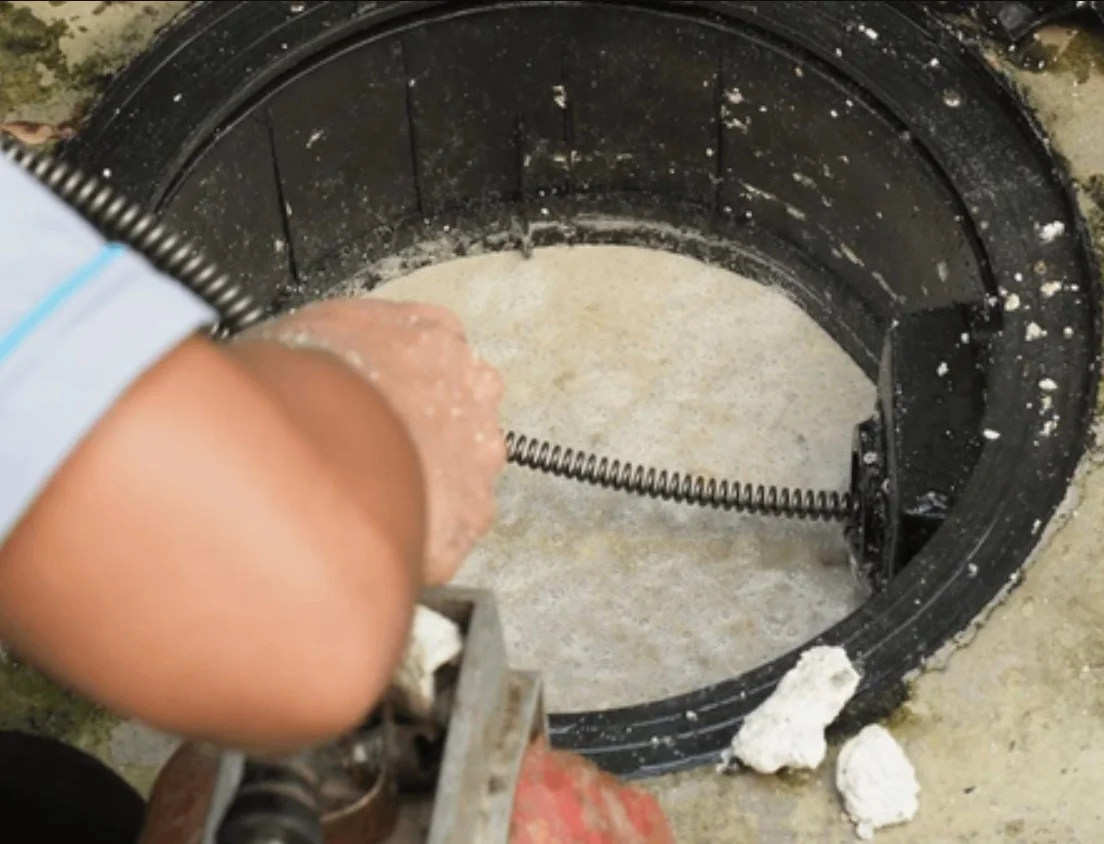
Every grease trap accumulates buildup over time. Most issues resolve through regular cleaning and maintenance, but when clogs strike, hydro-jetting cuts through years of grease and debris in minutes, restoring full function quickly.
Baffles naturally loosen with age and use. Before assuming total replacement is necessary, our technicians assess whether individual components can be reattached or rebuilt. This targeted repair approach often adds years to your trap’s service life without the expense of a full unit swap.
Leaking inlet and outlet pipes create two immediate problems – water damage to surrounding structures and persistent odors that infiltrate your kitchen. Replacing just these sections costs significantly less than a complete trap replacement, and addressing them promptly protects your facility from structural issues.
A corroded or compromised lid allows sewer gases to seep into your cooking area. Fresh gaskets and new lids eliminate that problem entirely. Your team will notice the difference immediately when the smell vanishes.
When Repair Isn’t Enough: Replacement Signs
Your grease trap’s lifespan depends on its material. Metal units typically serve 5-15 years, while concrete versions can last 20-30 years when maintained properly. Even with ideal conditions, eventual replacement becomes unavoidable.
Rust or corrosion spreading across the trap body signals that replacement is your best option. Isolated patches might warrant repair, but pervasive deterioration creates liability and operational risk that repairs simply cannot address.
When cracks keep returning despite repeated fixes, your trap is telling you it’s done. Continuing to patch a failing unit drains your budget and leaves you vulnerable to failures that impact health codes and operations.
Your Next Steps
Start with a visual inspection of your grease trap – look for cracks, corrosion, or signs of overflow.
Building a maintenance rhythm matters more than most restaurant owners realize. Grease traps that get regular attention rarely fail catastrophically. The difference between a $300 cleaning and a $3,000 emergency replacement comes down to consistent upkeep. Having a trusted technician you can call when something goes sideways eliminates the panic.
Your trap handles what your kitchen produces every single day. Treat it like the asset it is – neglect turns into downtime, citations, and costly repairs.
Trap sizing gets overlooked until it becomes a problem. If your operation has grown since installation, your existing unit likely can’t process the volume anymore. Undersized traps fail faster and create compliance violations. A mismatch between kitchen output and trap capacity is a recipe for backups and health department issues.
Choose Experience That Matters
Grease Cleaning Pros repaired thousands of grease traps and grease interceptors in Woodland Hills. Every type, every brand, every problem imaginable. Our Woodland Hills technicians train continuously. They know the latest repair techniques. They understand new regulations before they affect you.