Expert Grease Trap Interceptor Cleaning and Pumping Services in Signal Hill
Keep Your Kitchen Running Smooth With Professional Grease Management in Signal Hill
Running a restaurant means dealing with grease buildup every single day. Your grease traps need regular cleaning. Your drains get clogged. Used cooking oil piles up fast. Grease Cleaning Pros in Signal Hill handles all three problems with expert grease trap cleaning and pumping throughout the area.
What Exactly Is a Grease Trap and Why Should You Care?
A grease trap is a specialized plumbing interceptor designed to capture fats, oils, and grease before they enter your main wastewater line. By separating these substances before they flow downstream, grease traps prevent the buildup and hardening that leads to costly blockages and system failures.
Grease interceptors operate on the same principle but are engineered for higher-volume commercial applications. These larger units are typically positioned outside your facility and handle the substantial FOG loads that restaurants, cafeterias, and food processing operations generate daily.
Without proper grease management in place, fats and oils solidify inside your pipes over time, creating severe blockages that are expensive to clear and disruptive to your operations. Regular grease trap cleaning and maintenance in Signal Hill protects your plumbing infrastructure, keeps your system compliant, and helps you avoid emergency service calls.
The Real Cost of Neglecting Your Grease Trap
A backed-up grease trap doesn’t just smell terrible. It can:
- Trigger health department shutdowns
- Generate fines ranging from $1,000 to $50,000
- Destroy your reputation overnight
- Create slip hazards that lead to lawsuits
- Damage expensive kitchen equipment
Regular cleaning costs a few hundred dollars. Emergency repairs cost thousands. The math is simple.
How Often Should You Clean Your Grease Trap in Signal Hill?
There’s no one-size-fits-all answer. But there are clear guidelines.
Most municipalities require cleaning when grease and solids reach 25% of the trap’s capacity. For busy restaurants, that means monthly cleaning. Smaller cafes might stretch it to quarterly. High-volume establishments often need bi-weekly service. Fast food restaurants? Sometimes weekly.
Your cleaning frequency depends on:
- Menu items (fried foods produce more grease)
- Customer volume
- Trap size
- Local regulations
- Kitchen practices
Don’t guess. Keep detailed pumping records. Track how full your trap gets between cleanings. Adjust your schedule accordingly.
Signs Your Grease Trap Needs Immediate Attention
Your grease trap is telling you something before it completely fails. The question is whether you’re paying attention to the warning signs.
The first indication of trouble appears in your three-compartment sink. If water drains slowly or pools where it shouldn’t, your grease trap is likely becoming saturated. Similarly, gurgling sounds coming from floor drains suggest buildup that’s restricting normal flow. These aren’t cosmetic issues—they’re your equipment’s way of signaling that service is needed soon.
Another clear warning is the rotten egg odor that sometimes accompanies grease trap problems. This smell originates from hydrogen sulfide gas, which forms as grease and organic material decompose inside the tank. Beyond being unpleasant, hydrogen sulfide becomes genuinely hazardous at elevated concentrations. Poor ventilation can compound this risk, making it a health and safety concern for your staff and customers alike.
If grease is actually backing up into your sinks or appearing in your dishwashing equipment, the situation has already reached a critical point. This backup indicates your grease trap has exceeded capacity and can no longer handle incoming waste. At this stage, don’t delay—contact a professional grease trap service right away to prevent overflow, environmental issues, and potential code violations.
Other warning signs include:
- Grease appearing in unusual places
- Multiple drain problems simultaneously
- Increased pest activity
- Standing water near the trap
- Visible grease overflow outside
Our Professional Grease Trap Cleaning Process in Signal Hill
First, our Signal Hill grease technicians locate and access your trap. They measure the grease layer thickness. Documentation starts immediately for compliance records.
Our Signal Hill grease pumping truck arrives with powerful vacuum equipment. Technicians remove the trap cover carefully. Safety comes first – toxic gases can accumulate inside.
They pump out all contents:
- Floating grease layer
- Wastewater
- Settled food solids
But pumping isn’t enough.
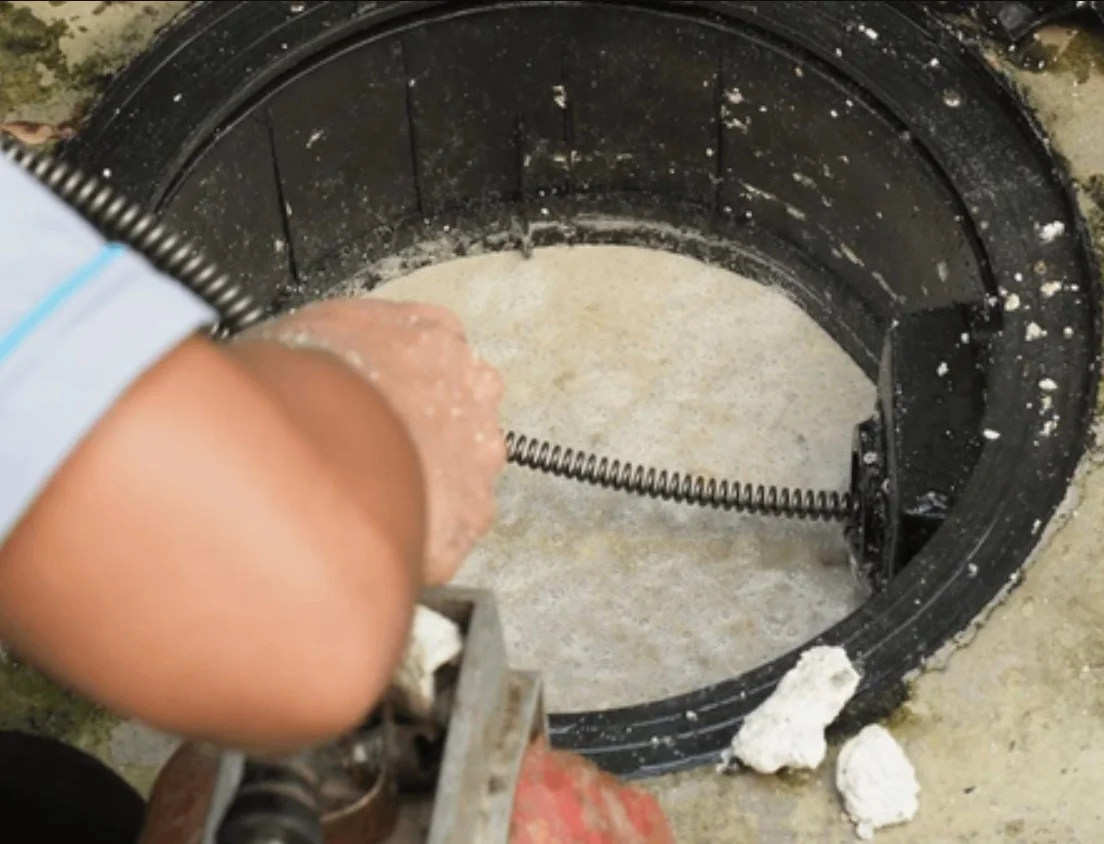
Our grease professionals scrape baffles clean. They pressure wash interior walls. They check inlet and outlet pipes for clogs. They inspect the trap’s structural integrity.
Finally, they refill the trap with clean water. This step is crucial. An empty trap doesn’t work properly.
The entire process takes 30 to 90 minutes for standard traps. Larger interceptors need more time.
Understanding Grease Interceptor Maintenance in Signal Hill
Grease interceptors require different maintenance than indoor traps. They’re larger, underground units that need specialized attention.
These concrete or fiberglass vaults can hold 500 to 5,000 gallons. Some even larger. They serve entire buildings or multiple restaurants.
Interceptor cleaning involves heavy equipment. Pump trucks need direct access. The process is more complex and time-consuming.
Technicians must:
- Remove heavy concrete or metal covers
- Pump thousands of gallons of waste
- Clean multiple compartments thoroughly
- Inspect inlet and outlet tees
- Check for structural damage
- Test for groundwater infiltration
Interceptor pumping typically happens every three months. But high-volume facilities might need monthly service.
Preventing Excessive Grease Buildup
Keeping your grease trap healthy starts with smart kitchen management. When your team takes the right preventive steps, you’ll see fewer backups, lower pumping frequency, and significantly reduced maintenance costs.
Begin by training your staff on grease management fundamentals. Help them understand the direct connection between their daily habits and system performance. When people see how a clogged trap disrupts their workflow and creates unpleasant working conditions, they become invested in following best practices.
Start at the source by scraping plates and cookware thoroughly before they enter the wash cycle. Install strainer baskets in all sinks and commit to emptying them regularly throughout your shift.
Never allow grease to enter your drain system, regardless of quantity. Even small amounts accumulate over time and create expensive blockages downstream.
Wipe down greasy cookware and pans with paper towels before washing. Establish a collection system for used cooking oil and arrange proper recycling with a qualified waste management provider.
Install drain traps or grease-catching devices beneath deep fryers and ensure they’re cleaned and maintained on a consistent schedule.
Water temperature plays a crucial role in grease management. While hot water temporarily liquefies grease, it hardens again as it moves through your pipes and into the trap. Choose water temperatures strategically based on the specific cleaning task at hand.
Your Next Steps
Your grease trap requires regular maintenance to keep your kitchen operations running smoothly. The longer you delay service, the greater your risk of costly backups, code violations, and emergency repairs.
Review your service records right now. Professional cleaning should happen every 90 days or sooner depending on your kitchen’s volume and usage patterns. If you’re unsure when your last cleaning occurred, it’s time to schedule one.
Develop a grease trap maintenance calendar tailored to your restaurant or food service operation. Consistency prevents surprises and keeps your system compliant with local health codes. Set reminders several weeks in advance so scheduling never slips your attention.
Your team plays a central role in grease trap health. Assign one person to oversee maintenance responsibilities and establish clear protocols for what goes down your drains. Proper grease management starts in the kitchen and extends to your trap system. Keep detailed records of all service visits.
Think of grease trap maintenance as business insurance rather than an operating expense. Regular cleaning protects your equipment investment, maintains your health department standing, and ensures uninterrupted service to your customers.
The modest investment in routine grease trap cleaning and pumping in Signal Hill is far less costly than emergency repairs, system replacement, or closure orders. Staying current with maintenance gives you reliable operations and genuine peace of mind.