The Real Cost of Neglecting Your Grease Trap
A backed-up grease trap doesn’t just smell terrible. It can:
- Trigger health department shutdowns
- Generate fines ranging from $1,000 to $50,000
- Destroy your reputation overnight
- Create slip hazards that lead to lawsuits
- Damage expensive kitchen equipment
Regular cleaning costs a few hundred dollars. Emergency repairs cost thousands. The math is simple.
How Often Should You Clean Your Grease Trap in Paramount?
There’s no one-size-fits-all answer. But there are clear guidelines.
Most municipalities require cleaning when grease and solids reach 25% of the trap’s capacity. For busy restaurants, that means monthly cleaning. Smaller cafes might stretch it to quarterly. High-volume establishments often need bi-weekly service. Fast food restaurants? Sometimes weekly.
Your cleaning frequency depends on:
- Menu items (fried foods produce more grease)
- Customer volume
- Trap size
- Local regulations
- Kitchen practices
Don’t guess. Keep detailed pumping records. Track how full your trap gets between cleanings. Adjust your schedule accordingly.
Signs Your Grease Trap Needs Immediate Attention
Your grease trap communicates problems long before catastrophic failure arrives. Learning to recognize those signals keeps your kitchen operational and your wallet intact.
Slowed drainage in your three-compartment sink marks the beginning of trouble. When water sits instead of flows, or floor drains emit gurgling sounds, your grease trap is struggling to process what’s coming down the line.
That sulfurous odor permeating your kitchen isn’t merely unpleasant – it’s hydrogen sulfide gas released as grease decomposes inside the trap. Beyond the smell, this gas becomes genuinely hazardous at elevated concentrations, posing real health risks to your staff.
Grease appearing in sinks or backing up into dishwashers means your system has reached capacity. This is the moment to contact a professional. Waiting invites costly emergency repairs, potential health code violations, and operational shutdowns that impact your bottom line.
Other warning signs include:
- Grease appearing in unusual places
- Multiple drain problems simultaneously
- Increased pest activity
- Standing water near the trap
- Visible grease overflow outside
Our Professional Grease Trap Cleaning Process in Paramount
First, our Paramount grease technicians locate and access your trap. They measure the grease layer thickness. Documentation starts immediately for compliance records.
Our Paramount grease pumping truck arrives with powerful vacuum equipment. Technicians remove the trap cover carefully. Safety comes first – toxic gases can accumulate inside.
They pump out all contents:
- Floating grease layer
- Wastewater
- Settled food solids
But pumping isn’t enough.
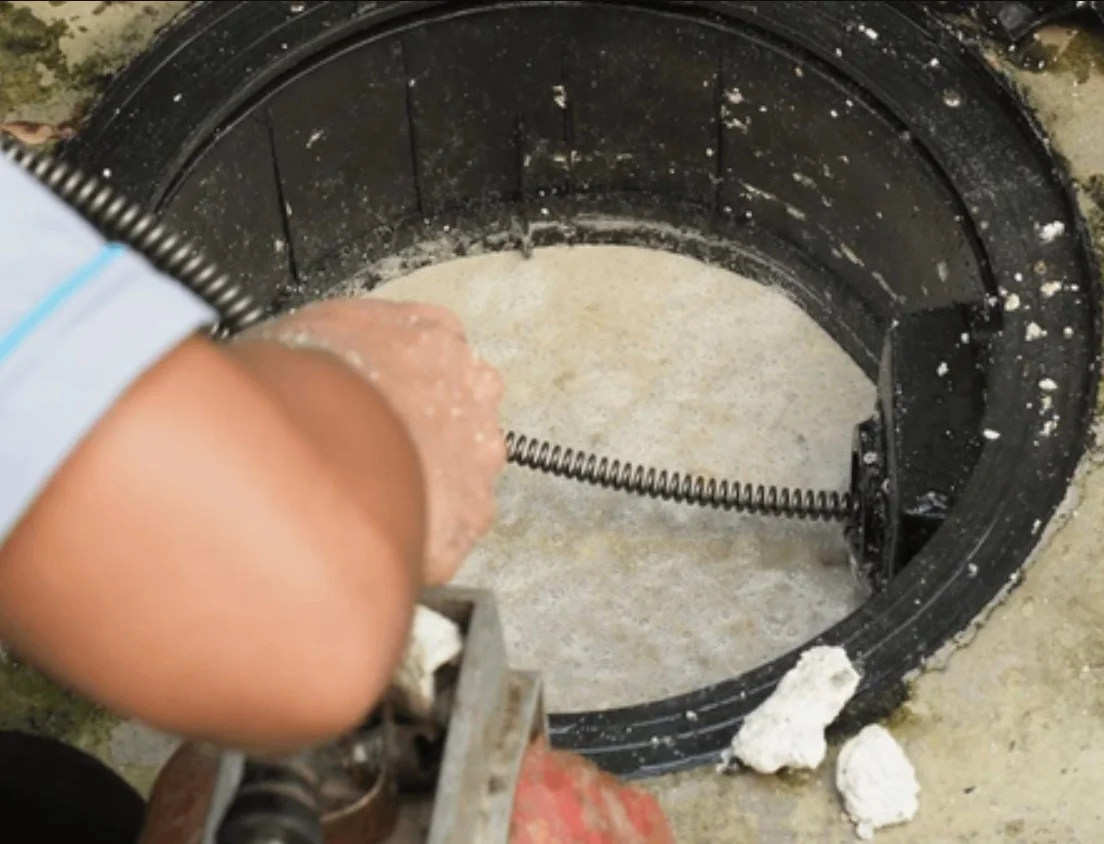
Our grease professionals scrape baffles clean. They pressure wash interior walls. They check inlet and outlet pipes for clogs. They inspect the trap’s structural integrity.
Finally, they refill the trap with clean water. This step is crucial. An empty trap doesn’t work properly.
The entire process takes 30 to 90 minutes for standard traps. Larger interceptors need more time.
Understanding Grease Interceptor Maintenance in Paramount
Grease interceptors require different maintenance than indoor traps. They’re larger, underground units that need specialized attention.
These concrete or fiberglass vaults can hold 500 to 5,000 gallons. Some even larger. They serve entire buildings or multiple restaurants.
Interceptor cleaning involves heavy equipment. Pump trucks need direct access. The process is more complex and time-consuming.
Technicians must:
- Remove heavy concrete or metal covers
- Pump thousands of gallons of waste
- Clean multiple compartments thoroughly
- Inspect inlet and outlet tees
- Check for structural damage
- Test for groundwater infiltration
Interceptor pumping typically happens every three months. But high-volume facilities might need monthly service.
Preventing Excessive Grease Buildup
Prevention beats emergency repairs. When your kitchen manages grease responsibly, your trap stays functional longer and your drain lines stay clear.
Your staff makes or breaks your grease strategy. When team members understand that proper disposal keeps their workspace running smoothly and prevents backups that shut down service, they tend to follow protocol. Frame it around their daily comfort, not just compliance.
Start with the basics. Scrape plates clean before they hit the sink, use strainer baskets in every drain, and empty them throughout your shift. This single habit catches most solid debris before it reaches your trap.
Grease poured down the drain solidifies as it cools. Even small amounts compound into blockages. Keep all cooking oil and rendered fat out of your plumbing entirely.
Wipe down greasy cookware with paper towels before washing. Collect used cooking oil in separate containers and arrange for proper recycling. Many waste management services handle this at no extra cost.
Fryers generate the heaviest grease loads. Install catch devices beneath them and empty them consistently – don’t wait until they overflow.
Temperature plays a hidden role. Hot water temporarily dissolves grease, but it hardens again further down your line. Use the right water temperature for your task, not just the hottest option available.
Your Next Steps
Your grease trap doesn’t announce when it needs help – it just fails.
When was your last service? Pull those records now. Anything beyond 90 days puts you in risky territory. No documentation? Assume it’s past due and schedule immediately.
Build a maintenance calendar that matches your actual kitchen volume and usage patterns. Treat it like payroll – non-negotiable. Set phone reminders weeks ahead so nothing slips through.
Assign one person ownership of this process. Have them track pump dates, disposal logs, and any signs of backup or slow drainage. Written records matter when regulators ask questions.
Here’s what separates restaurants that run smoothly from those that don’t – they stop seeing grease trap maintenance as a bill and start seeing it as equipment protection. Your lines stay clear. Your reputation stays intact. Your operation stays open.
The investment in regular cleaning in Paramount is modest compared to emergency repairs, code violations, or worse. That’s not just maintenance. That’s insurance.