


Expert Grease Trap Interceptor Cleaning and Pumping Services in Palos Verdes Estates


Grease Trap and Interceptor Cleaning: Why Your Business Can’t Afford to Skip It

Keep Your Kitchen Running Smooth With Professional Grease Management in Palos Verdes Estates

Running a restaurant means dealing with grease buildup every single day. Your grease traps need regular cleaning. Your drains get clogged. Used cooking oil piles up fast. Grease Cleaning Pros in Palos Verdes Estates handles all three problems with expert grease trap cleaning and pumping throughout the area.

What Exactly Is a Grease Trap and Why Should You Care?

A grease trap is a plumbing device designed to intercept fats, oils, and grease (FOG) before they reach your wastewater system. Rather than allowing these materials to travel through your pipes, a grease trap captures and separates them, preventing the buildup that leads to costly damage and system failures.

Grease interceptors function on the same principle but are engineered for higher-volume operations. These larger units are typically installed outside your facility and are standard equipment for restaurants, catering operations, food processing facilities, and other commercial kitchens that generate substantial amounts of cooking grease daily.

Without proper grease removal systems in place, fats and oils cool and solidify as they move through your plumbing. Over time, this buildup accumulates along pipe walls, restricting water flow and creating severe blockages. These obstructions can compromise your entire drainage system, result in expensive emergency repairs, and potentially force business interruptions. Regular grease trap cleaning and maintenance prevents these problems before they develop.

grease trap cleaning pumping

The Real Cost of Neglecting Your Grease Trap

A backed-up grease trap doesn’t just smell terrible. It can:

  • Trigger health department shutdowns
  • Generate fines ranging from $1,000 to $50,000
  • Destroy your reputation overnight
  • Create slip hazards that lead to lawsuits
  • Damage expensive kitchen equipment

Regular cleaning costs a few hundred dollars. Emergency repairs cost thousands. The math is simple.

How Often Should You Clean Your Grease Trap in Palos Verdes Estates?

There’s no one-size-fits-all answer. But there are clear guidelines.

Most municipalities require cleaning when grease and solids reach 25% of the trap’s capacity. For busy restaurants, that means monthly cleaning. Smaller cafes might stretch it to quarterly. High-volume establishments often need bi-weekly service. Fast food restaurants? Sometimes weekly.

Your cleaning frequency depends on:

  • Menu items (fried foods produce more grease)
  • Customer volume
  • Trap size
  • Local regulations
  • Kitchen practices

Don’t guess. Keep detailed pumping records. Track how full your trap gets between cleanings. Adjust your schedule accordingly.

Signs Your Grease Trap Needs Immediate Attention

Your grease trap shows you what’s wrong before catastrophic failure happens. The key is recognizing those early warning signs.

When your three-compartment sink drains slowly or water pools inside, something’s off. Similarly, gurgling sounds from floor drains point to a blockage forming in your system.

That unmistakable rotten egg odor comes from hydrogen sulfide gas released as grease decomposes. Beyond being unpleasant, this gas poses genuine health risks at elevated concentrations.

Grease backing up into your sink or dishwasher represents a critical situation requiring immediate professional intervention. At this stage, you need emergency grease trap service in Palos Verdes Estates without delay. We’re here to handle these urgent situations and get your system functioning properly again.

Other warning signs include:

  • Grease appearing in unusual places
  • Multiple drain problems simultaneously
  • Increased pest activity
  • Standing water near the trap
  • Visible grease overflow outside

Our Professional Grease Trap Cleaning Process in Palos Verdes Estates

First, our Palos Verdes Estates grease technicians locate and access your trap. They measure the grease layer thickness. Documentation starts immediately for compliance records.

Our Palos Verdes Estates grease pumping truck arrives with powerful vacuum equipment. Technicians remove the trap cover carefully. Safety comes first – toxic gases can accumulate inside.

They pump out all contents:

  • Floating grease layer
  • Wastewater
  • Settled food solids

But pumping isn’t enough.

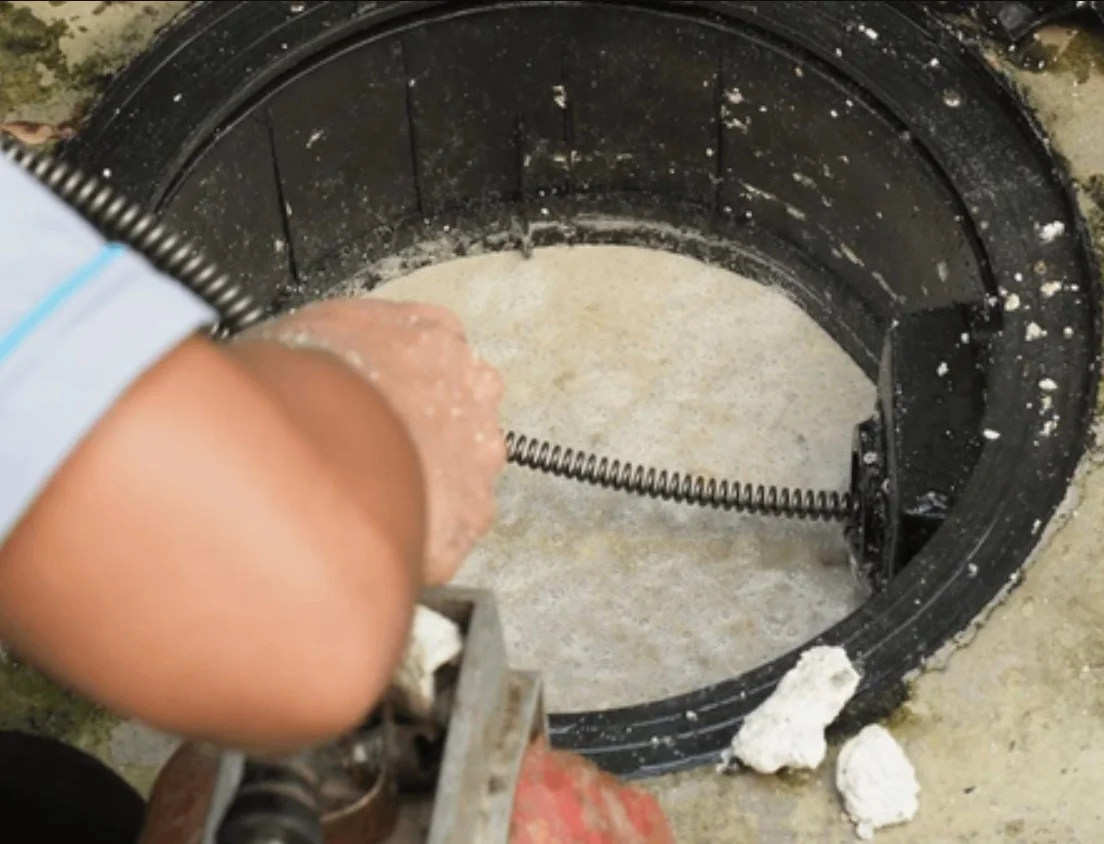
Our grease professionals scrape baffles clean. They pressure wash interior walls. They check inlet and outlet pipes for clogs. They inspect the trap’s structural integrity.

Finally, they refill the trap with clean water. This step is crucial. An empty trap doesn’t work properly.

The entire process takes 30 to 90 minutes for standard traps. Larger interceptors need more time.

Understanding Grease Interceptor Maintenance in Palos Verdes Estates

Grease interceptors require different maintenance than indoor traps. They’re larger, underground units that need specialized attention.

These concrete or fiberglass vaults can hold 500 to 5,000 gallons. Some even larger. They serve entire buildings or multiple restaurants.

Interceptor cleaning involves heavy equipment. Pump trucks need direct access. The process is more complex and time-consuming.

Technicians must:

  • Remove heavy concrete or metal covers
  • Pump thousands of gallons of waste
  • Clean multiple compartments thoroughly
  • Inspect inlet and outlet tees
  • Check for structural damage
  • Test for groundwater infiltration

Interceptor pumping typically happens every three months. But high-volume facilities might need monthly service.

Preventing Excessive Grease Buildup

Preventive kitchen habits protect your grease trap from unnecessary strain and costly backups. Simple, consistent practices create measurable improvements over time.

Educate your team about grease management and why it matters. When staff understand how drain backups disrupt service and create workplace hazards, they become invested in following proper protocols.

Always scrape dishes clean before they enter the sink. Install strainer baskets at every drain and empty them regularly throughout each shift.

Never allow grease to enter your drainage system, regardless of quantity. Even small amounts accumulate quickly and build into blockages that require professional intervention.

Wipe down pans and cooking equipment with paper towels before washing them. Collect all cooking oil in dedicated containers and arrange proper recycling through a licensed waste management service.

Install grease interceptors beneath fryer stations and maintain them on a strict schedule. Regular cleaning prevents overflow and system failure.

Water temperature affects grease behavior significantly. Hot water temporarily liquefies grease, but it hardens as it cools in pipes and traps downstream. Select water temperatures that match each task and support your overall grease management strategy.

Your Next Steps

Your grease trap works constantly, whether you think about it or not. Waiting for problems to develop puts your entire operation at risk.

Review your service history right now. Most grease traps need cleaning every 90 days or sooner, depending on your volume and usage patterns. If you’re unsure when your last service occurred, it’s safer to assume it’s already overdue and contact us today.

Develop a maintenance plan that matches your specific business needs. Consistency matters more than perfection, so establish a routine you can actually maintain. Set calendar alerts several weeks before each service is due so nothing catches you off guard.

Your staff plays a critical role in grease trap health. Educate them on proper disposal practices and designate one person to oversee maintenance. Keeping detailed service records also protects you in case of inspection or regulatory questions.

Stop thinking of grease trap maintenance as a necessary inconvenience. It’s actually an investment that protects your equipment, your business reputation, and your bottom line. One backup or overflow incident can cost far more than routine cleaning ever will.

Regular grease trap cleaning in Palos Verdes Estates is an affordable safeguard against expensive emergencies.

We handle the work so you can focus on running your business without worry. Palos Verdes Estates
Get a Quote

    GREASE FAQ:

    Why should I care about proper used cooking oil disposal for my restaurant?
    Your used cooking oil is actually liquid gold that shouldn’t go down the drain! When you partner with a professional collection service, you’re preventing costly plumbing disasters that can shut down your kitchen for days. Plus, that old oil gets recycled into biodiesel, helping the environment while putting money back in your pocket. Most restaurants don’t realize they can earn rebates from their used oil. It’s a win-win situation that keeps your business running smoothly and your conscience clear.
    How often do grease traps need professional cleaning?
    Most restaurants need grease trap cleaning every 30 to 90 days, depending on your kitchen’s volume. High-volume kitchens pumping out fried foods daily might need monthly service. Smaller cafes might stretch it to quarterly. Here’s the thing – waiting too long is a recipe for disaster. When grease traps hit 25% capacity, they stop working properly. Suddenly, you’re dealing with backed-up sinks, foul odors, and potentially hefty fines from health inspectors.
    What’s the difference between a grease trap and a grease interceptor?
    Think of grease traps as the compact warriors under your sink, typically holding 20-50 gallons. Grease interceptors are the heavy-duty champions installed underground outside, holding 500-5000 gallons. Your small coffee shop probably needs just a trap. But if you’re running a busy steakhouse or hotel kitchen, you’ll need an interceptor. The size depends on your daily grease output and local regulations. Both do the same job – catching fats, oils, and grease before they wreak havoc on the sewer system.
    Can I just pour hot water down the drain instead of hydro jetting?
    Hot water might seem like a quick fix, but it’s like putting a bandage on a broken pipe. Sure, it melts grease temporarily. But that grease just moves further down your pipes and hardens again. Now you’ve got a bigger problem in a harder-to-reach spot. Hydro jetting blasts away years of buildup with 4000 PSI of pure cleaning power. It scours pipe walls clean, removes tree roots, and eliminates grease completely. Your pipes end up like new without any harsh chemicals.
    How do I know if my drains need hydro jet cleaning?
    Listen to your drains – they’re trying to tell you something! Slow drainage is your first warning sign. Multiple drains backing up simultaneously means trouble’s brewing in your main line. That gurgling sound from your toilet when you run the dishwasher? Bad news. Recurring clogs that keep coming back after snaking? You need hydro jetting. Don’t forget about those mystery odors wafting from your drains. These signs mean buildup has narrowed your pipes significantly.
    What happens to collected cooking oil after pickup?
    Your old fryer oil starts an amazing second life! Professional collectors filter and process it into biodiesel fuel that powers trucks, boats, and heating systems. Some becomes animal feed supplements. Others transform into soaps and cosmetics. This recycling process reduces greenhouse gases by up to 85% compared to petroleum diesel. Every gallon you recycle prevents contamination of roughly one million gallons of water. You’re literally helping save the planet one fryer at a time.
    Will grease trap cleaning disrupt my restaurant operations?
    Professional cleaning typically takes 30-60 minutes and can happen during off-hours. Most services work around your schedule. Early morning before prep or late evening after closing works perfectly. The best companies use quiet vacuum trucks that won’t disturb neighboring businesses. They handle everything – pumping, cleaning, deodorizing, and proper waste disposal. You won’t even know they were there except for the fresh-running drains and inspection-ready documentation.
    What are the signs of grease interceptor failure?
    Your nose knows first – sewage odors near your interceptor location spell trouble. Water pooling above the interceptor means it’s overflowing. Slow drains throughout your facility indicate the interceptor can’t handle the flow anymore. You might notice grease floating in the interceptor’s outlet side. Kitchen floors staying greasy despite regular cleaning suggests backup issues. These problems escalate quickly. One day everything seems fine. The next, you’re closed for emergency repairs costing thousands.
    Is professional maintenance really necessary if I’m careful about what goes down my drains?
    Even the most careful kitchen can’t prevent all grease from entering drains. Dishwater contains dissolved fats you can’t see. Steam from cooking carries grease particles that condense in pipes. Your staff might accidentally pour something down the drain during a busy rush. Professional maintenance is your insurance policy against the inevitable. Regular service catches small issues before they become emergencies. Think about it – would you skip oil changes for your car just because you drive carefully?
    GET A QUOTE
    Call Us