Expert Grease Trap Interceptor Cleaning and Pumping Services in Monrovia
Keep Your Kitchen Running Smooth With Professional Grease Management in Monrovia
Running a restaurant means dealing with grease buildup every single day. Your grease traps need regular cleaning. Your drains get clogged. Used cooking oil piles up fast. Grease Cleaning Pros in Monrovia handles all three problems with expert grease trap cleaning and pumping throughout the area.
What Exactly Is a Grease Trap and Why Should You Care?
Grease traps intercept fats, oils, and grease before they reach your main drainage lines. The mechanism is straightforward – FOG cools and solidifies as it sits in the trap, separating from wastewater so solids can be removed during cleaning rather than traveling downstream where they’d harden inside pipes and cause backups.
Grease interceptors function on the same principle but handle significantly higher volumes. These larger units sit outside most commercial kitchens and food service operations to manage the constant flow of cooking byproducts.
Skip this infrastructure and grease accumulates in your pipes like arterial plaque. What starts as slow drainage becomes complete blockage – expensive to repair, operationally disruptive, and often requires emergency service calls. Regular cleaning prevents this scenario entirely.
The Real Cost of Neglecting Your Grease Trap
A backed-up grease trap doesn’t just smell terrible. It can:
- Trigger health department shutdowns
- Generate fines ranging from $1,000 to $50,000
- Destroy your reputation overnight
- Create slip hazards that lead to lawsuits
- Damage expensive kitchen equipment
Regular cleaning costs a few hundred dollars. Emergency repairs cost thousands. The math is simple.
How Often Should You Clean Your Grease Trap in Monrovia?
There’s no one-size-fits-all answer. But there are clear guidelines.
Most municipalities require cleaning when grease and solids reach 25% of the trap’s capacity. For busy restaurants, that means monthly cleaning. Smaller cafes might stretch it to quarterly. High-volume establishments often need bi-weekly service. Fast food restaurants? Sometimes weekly.
Your cleaning frequency depends on:
- Menu items (fried foods produce more grease)
- Customer volume
- Trap size
- Local regulations
- Kitchen practices
Don’t guess. Keep detailed pumping records. Track how full your trap gets between cleanings. Adjust your schedule accordingly.
Signs Your Grease Trap Needs Immediate Attention
Your grease trap is talking to you. Most restaurant owners just aren’t listening until it’s too late.
The conversation usually starts quietly. Sinks drain slower than they should. Water sits in your three-compartment sink instead of flowing through. Floor drains begin to gurgle. These aren’t minor inconveniences – they’re your system telling you the trap is reaching capacity and needs attention now, not next month.
Then comes the smell. That rotten-egg odor isn’t just gross – it’s hydrogen sulfide gas produced when grease decomposes anaerobically inside the trap. Hydrogen sulfide becomes dangerous at higher concentrations, and it signals that conditions inside your trap have turned toxic. Your kitchen staff notices it. Your customers notice it. It affects your business reputation.
Waiting past these signals costs real money. When grease backs up into your sinks or dishwashers, you’ve crossed from maintenance into emergency territory. At that point, the damage can spread to your main drain line, and cleanup becomes exponentially more expensive. We’ve seen restaurants in Monrovia face thousands in repairs and shutdowns because they ignored the early warnings. The difference between routine service and disaster is staying ahead of these signals. In Monrovia, we handle grease trap pumping before it becomes a crisis – and your kitchen stays clean, functional, and compliant.
Other warning signs include:
- Grease appearing in unusual places
- Multiple drain problems simultaneously
- Increased pest activity
- Standing water near the trap
- Visible grease overflow outside
Our Professional Grease Trap Cleaning Process in Monrovia
First, our Monrovia grease technicians locate and access your trap. They measure the grease layer thickness. Documentation starts immediately for compliance records.
Our Monrovia grease pumping truck arrives with powerful vacuum equipment. Technicians remove the trap cover carefully. Safety comes first – toxic gases can accumulate inside.
They pump out all contents:
- Floating grease layer
- Wastewater
- Settled food solids
But pumping isn’t enough.
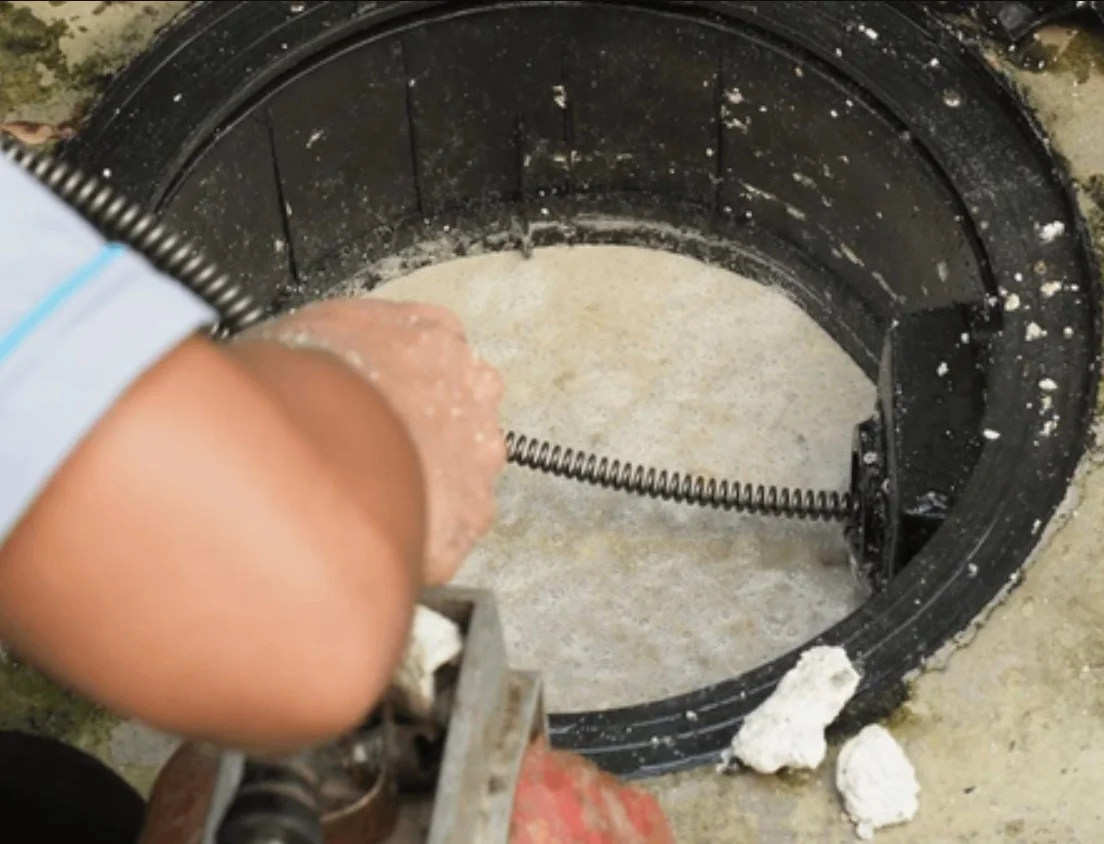
Our grease professionals scrape baffles clean. They pressure wash interior walls. They check inlet and outlet pipes for clogs. They inspect the trap’s structural integrity.
Finally, they refill the trap with clean water. This step is crucial. An empty trap doesn’t work properly.
The entire process takes 30 to 90 minutes for standard traps. Larger interceptors need more time.
Understanding Grease Interceptor Maintenance in Monrovia
Grease interceptors require different maintenance than indoor traps. They’re larger, underground units that need specialized attention.
These concrete or fiberglass vaults can hold 500 to 5,000 gallons. Some even larger. They serve entire buildings or multiple restaurants.
Interceptor cleaning involves heavy equipment. Pump trucks need direct access. The process is more complex and time-consuming.
Technicians must:
- Remove heavy concrete or metal covers
- Pump thousands of gallons of waste
- Clean multiple compartments thoroughly
- Inspect inlet and outlet tees
- Check for structural damage
- Test for groundwater infiltration
Interceptor pumping typically happens every three months. But high-volume facilities might need monthly service.
Preventing Excessive Grease Buildup
Kitchen operations drive grease trap health. Most backups we see in Monrovia don’t happen overnight – they’re the result of accumulated small decisions made daily by staff who don’t fully understand the consequences.
Your team needs clarity on why this matters. When they understand that a grease backup shuts down service, creates hazardous conditions, and disrupts their shift, ownership clicks in. Frame it as protecting their workspace, not just following rules.
The practical foundation is straightforward. Scrape plates before they hit the wash line and install strainer baskets at every sink. These catch solids before they enter the system. Empty them regularly – not when they’re overflowing.
Never introduce grease down the drain, regardless of volume. This is non-negotiable. A single pan’s worth of cooled oil can begin solidifying immediately once it enters cooler pipes downstream.
Wipe greasy cookware with paper towels before washing. Collect spent fryer oil in dedicated containers for proper disposal or recycling. This removes the problem before water enters the equation.
Fryer stations need grease traps underneath them. Install them and commit to maintenance schedules – skipping cleaning accelerates buildup and reduces trap capacity.
Water temperature creates a false sense of security. Hot water temporarily liquefies grease, but it hardens as it cools further down the line. Choose temperatures based on the task, not convenience.
Your Next Steps
Your grease trap is working harder than you think. Most business owners don’t realize how quickly buildup becomes a liability until something breaks.
Start by checking when your last cleaning happened. If that date is more than 90 days ago, schedule service now. If you’re unsure or lack records, treat it as overdue.
Build a realistic cleaning schedule based on your operation’s volume and kitchen activity. Then actually follow it. The discipline matters more than the frequency itself.
Assign someone on your team to own this responsibility. Give them authority to act and a system to track maintenance. Clear ownership prevents the “someone else will handle it” trap.
The real shift happens when you stop thinking of grease trap cleaning as overhead. It’s insurance against emergency shutdowns, code violations, and expensive repairs that could cripple your business.
Investing a few hundred dollars in preventive maintenance in Monrovia beats the cost of emergency service calls, potential fines, and lost revenue from forced closures. That certainty is worth far more than what you’ll spend.
Reviews:
Posted on GoogleTrustindex verifies that the original source of the review is Google. Finding dependable maintenance companies isn't easy, but these guys have been consistently solid. Fair pricing, friendly technicians, and they actually care about doing the job right instead of rushing through it. I recommend them to anyone managing a commercial kitchen in the Los Angeles area.Posted on GoogleTrustindex verifies that the original source of the review is Google. I called after another company canceled on us at the last minute before a health inspection. Grease Cleaning Pros managed to fit us into their schedule the same day. The crew worked quickly, answered all my questions, and got everything taken care of. They've earned our business going forward.Posted on GoogleTrustindex verifies that the original source of the review is Google. Running a restaurant means you need vendors you can count on. Grease Cleaning Pros has been reliable from day one. They send reminders before appointments, arrive on time, and provide the paperwork we need for inspections. Great experience every time.Posted on GoogleTrustindex verifies that the original source of the review is Google. Our kitchen had a recurring drainage problem that nobody seemed to solve. These guys cleaned the interceptor, recommended hydro jetting, and we haven't had an issue since. The technicians explained everything without trying to upsell us. Very professional service.Posted on GoogleTrustindex verifies that the original source of the review is Google. We've used a few grease trap companies over the years, and Grease Cleaning Pros has been the easiest to work with. They always show up when scheduled, clean everything thoroughly, and leave the area cleaner than they found it. It's one less thing for us to worry about during a busy week.Posted on GoogleTrustindex verifies that the original source of the review is Google. Grease Cleaning Pros has been my trusted company for grease trap pumping at my Los Angeles restaurant. They’re always punctual, easy to reach, simple to schedule with, and their pricing is very reasonable.